



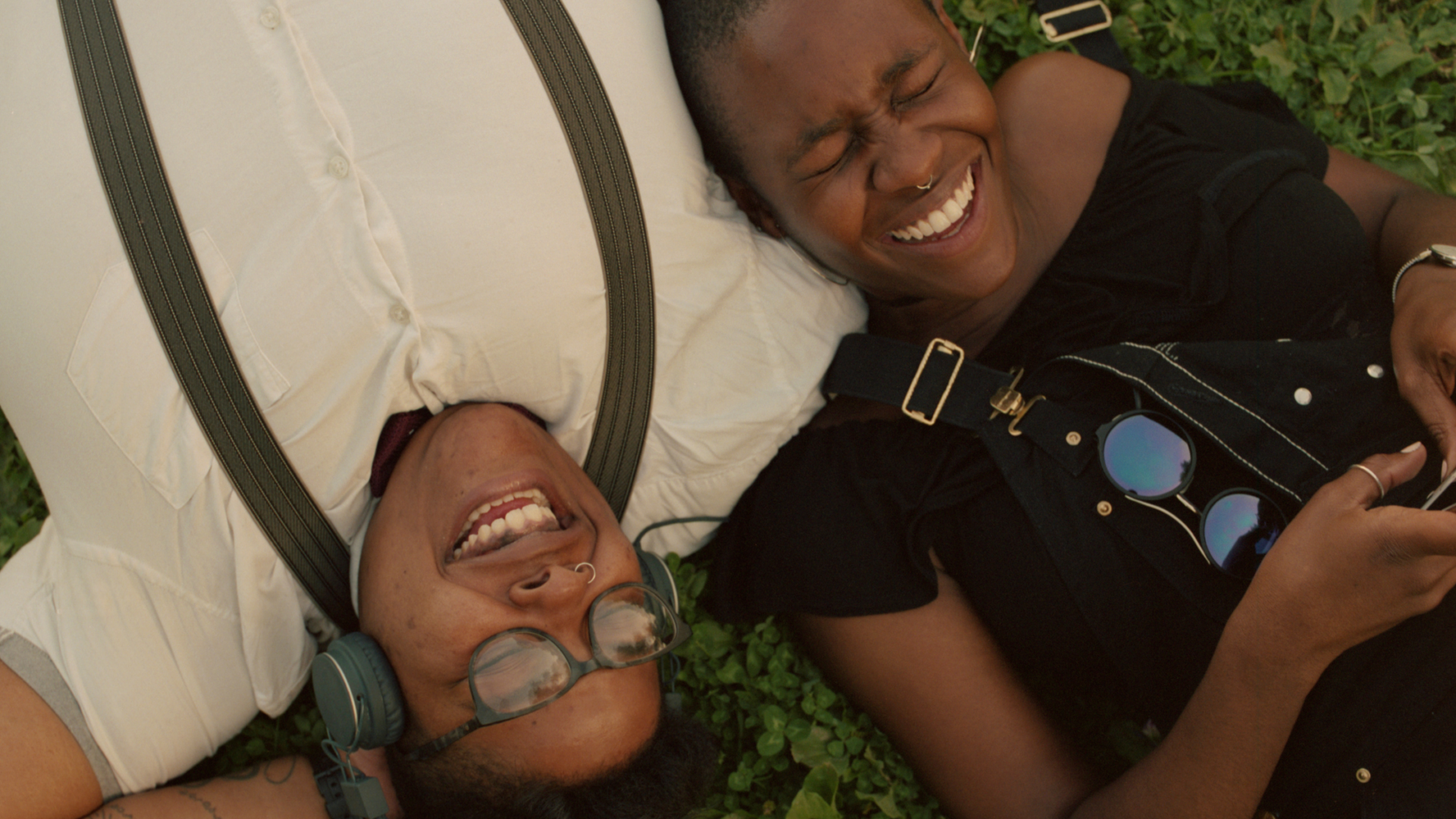
Where Black Queer Youth Find Community
Going to a Blue Jays game for the first time. Navigating permanent residency in Canada. Exploring recipes from various home countries. Finally finding safe housing.
At Supporting Our Youth (SOY)’s programming for Black queer youth, these aren’t just stories shared—they’re the lived experiences young people bring with them. The programs offer a space where Black queer youth can show up fully and be supported, every step of the way.
SOY runs several programs for Black queer youth. These programs are grounded in the understanding that Black queer identity is an entirely unique experience of its own and shapes every part of a young person’s life.
Black Queer Youth (BQY) is a weekly drop-in group for 2SLGBTQ+ Black, African, Caribbean and multiracial youth aged 29 and under. It is one of few spaces exclusively for Black 2SLGBTQ+ youth in Canada.
Alongside BQY, SOY also runs mental health groups for Black queer youth. Rise and Thrive includes two cohorts, with a focus on learning and leadership (Rise) and practical cooking skills (Thrive). Resilient Roots explores harm reduction tools and self-care habits, and Levelling Minds explores stress management and mental health strategies.
For many participants, these programs are an entry point to SOY and the broader network of support at Sherbourne Health.
“Our goal isn’t that somebody just enters the program, finishes the program and then we don’t see them again,” says Chris Bransfield, Manager of Health Promotion and Community Capacity Building Initiatives. “It’s to adopt them into this ecosystem of care and ensure that we can support them with those upstream social determinants, whether that’s connecting them to housing support workers or even to primary care.”
That sense of connection doesn’t end at SOY’s doors. Morgan, Communities Program Worker and former BQY participant, hopes that the impact of the programs continues to ripple outward.
“I hope that one thing folks can take away from BQY is that these spaces can be replicated throughout the city,” they share. Many participants build chosen family structures through the connections formed in these spaces, helping them maintain support and community even outside of the programs. “It’s a really big deal to see youth replicate the space, continue to connect, have moments of joy and not feel alone.”
Building on that vision, Taty, Trans and Non-Binary Health Promoter, adds, “Beyond coping skills and stress management strategies, I want Black 2SLGBTQ+ youth to know that they are not at fault. There are an infinite number of barriers that exist against Black queer people, and it’s not their fault. But together, and with community, we find peace and joy.”